Superfood Decoded: Science Behind Nutritional Powerhouses
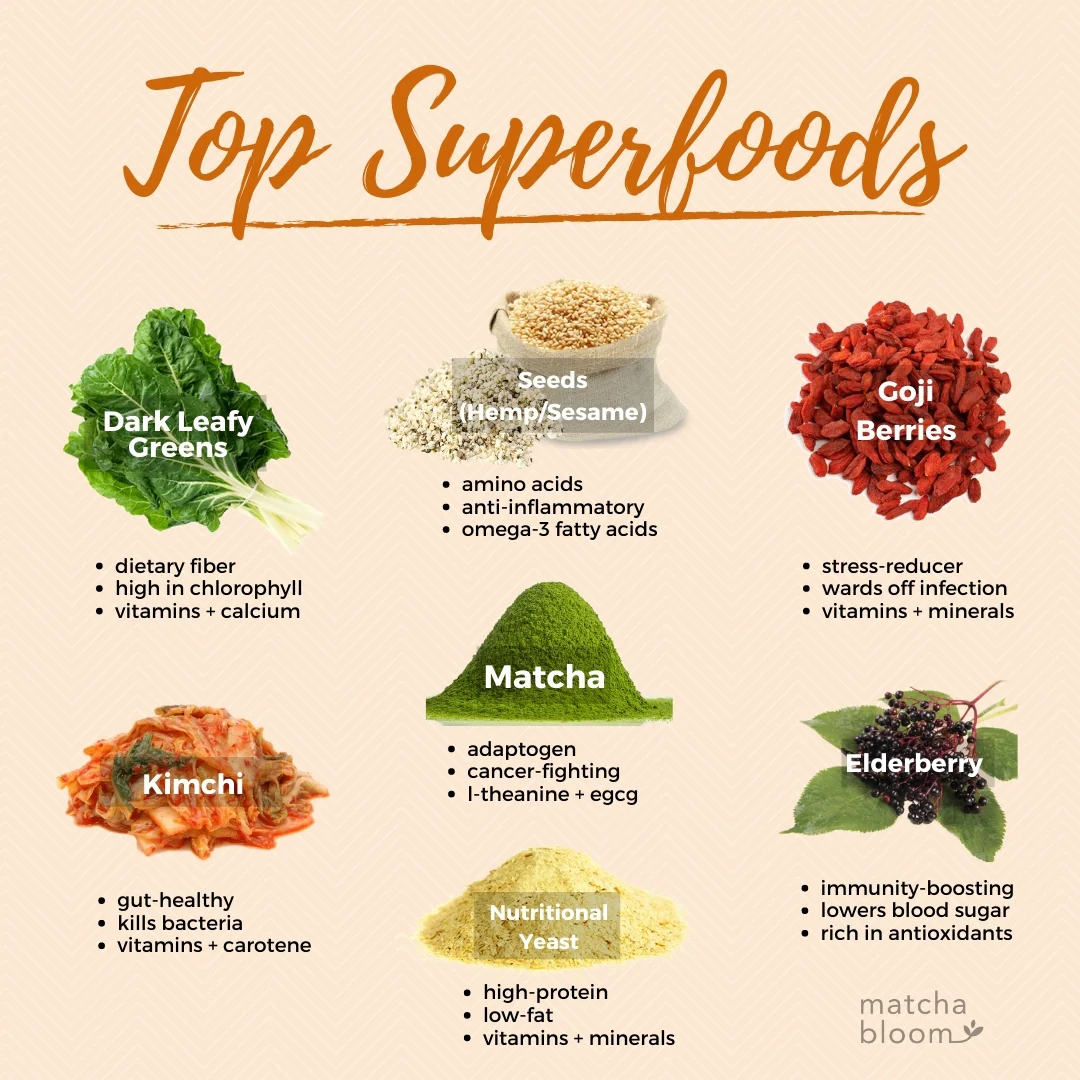
The term "superfood" has become ubiquitous in health and nutrition discussions, referring to foods exceptionally rich in nutrients that provide significant health benefits beyond basic nutrition. While marketing often oversimplifies the concept, scientific research supports the exceptional nutritional profiles of certain foods that can meaningfully impact health when incorporated into balanced diets. Understanding the science behind these nutritional powerhouses helps consumers make informed dietary choices based on evidence rather than trends. Blueberries earn their superfood status through extraordinarily high concentrations of anthocyanins, powerful antioxidants that give them their deep blue color. These compounds cross the blood-brain barrier and accumulate in brain regions associated with learning and memory, potentially protecting against age-related cognitive decline. Studies demonstrate that regular blueberry consumption may improve memory function, executive decision-making, and overall brain health. The berries also contain vitamin C, vitamin K, and manganese while being low in calories and high in fiber. Salmon and other fatty fish provide omega-3 fatty acids EPA and DHA that are crucial for brain function, heart health, and inflammation reduction. These essential fats cannot be produced by the human body and must be obtained through diet. Regular consumption of omega-3 rich fish is associated with reduced risk of heart disease, improved cognitive function, and better mood regulation. Wild-caught salmon also provides high-quality protein, vitamin D, and selenium. Leafy greens like kale, spinach, and Swiss chard pack impressive nutrient density into low-calorie packages. These vegetables provide folate, vitamin K, vitamin A, vitamin C, iron, and calcium along with numerous phytonutrients that support immune function and reduce disease risk. The high nitrate content in leafy greens may improve athletic performance and cardiovascular health by enhancing blood flow and oxygen delivery to muscles. Quinoa stands out among grains as a complete protein source containing all essential amino acids, making it particularly valuable for plant-based diets. This ancient grain also provides fiber, iron, magnesium, and phosphorus while being naturally gluten-free. Its low glycemic index helps maintain stable blood sugar levels, making it beneficial for diabetes management and sustained energy. Avocados provide monounsaturated fats that support heart health and improve the absorption of fat-soluble vitamins from other foods. They're rich in potassium, which helps regulate blood pressure, and contain lutein and zeaxanthin, antioxidants important for eye health. The healthy fats in avocados also promote satiety, potentially supporting weight management goals. Greek yogurt offers probiotics that support digestive health and immune function, along with high-quality protein that provides all essential amino acids. The fermentation process increases the bioavailability of nutrients and may improve lactose tolerance. Choosing plain varieties avoids added sugars while maintaining nutritional benefits. Sweet potatoes provide beta-carotene, which the body converts to vitamin A for vision and immune support. They're also rich in fiber, potassium, and vitamin C while having a lower glycemic impact than regular potatoes when eaten with the skin.