Plant-Based Nutrition: Complete Protein and Nutrient Density

Plant-based nutrition has evolved from a niche dietary choice to a mainstream approach supported by extensive scientific research demonstrating significant health, environmental, and ethical benefits. Contrary to common misconceptions, well-planned plant-based diets can provide all essential nutrients required for optimal health across all life stages, from infancy through elderly years.
The key lies in understanding plant protein combining, nutrient absorption optimization, and strategic supplementation where necessary. Protein completeness represents one of the most misunderstood aspects of plant-based nutrition. While individual plant foods may lack certain essential amino acids, combining different plant proteins throughout the day easily provides complete amino acid profiles.
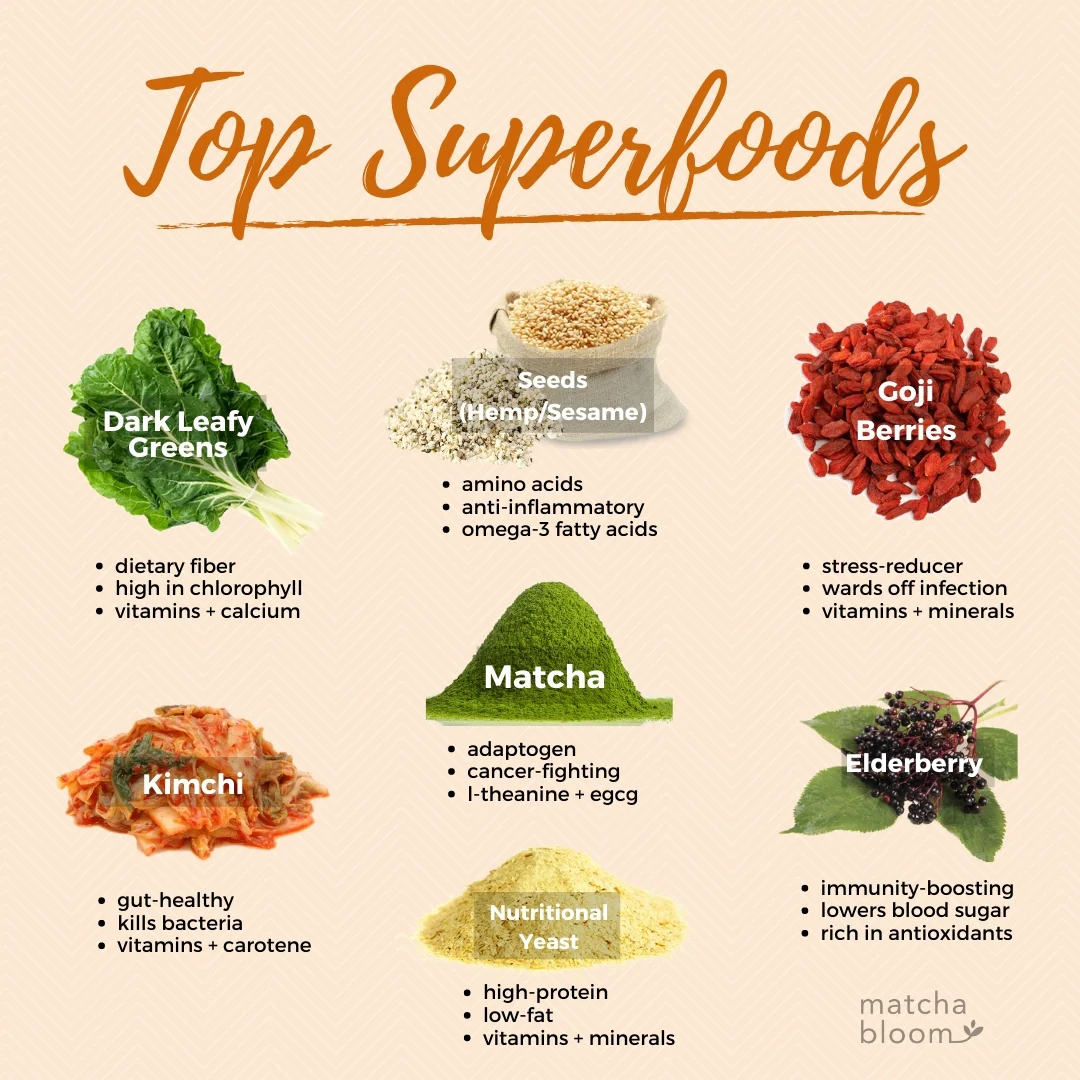
Quinoa, buckwheat, hemp seeds, and chia seeds are naturally complete proteins, while combinations like rice and beans, hummus and whole grain pita, or peanut butter and whole grain bread create complete protein profiles. Recent research shows that the body maintains an amino acid pool, making it unnecessary to combine proteins at every meal. Iron absorption from plant sources improves significantly when consumed with vitamin C-rich foods like citrus fruits, strawberries, bell peppers, or tomatoes. Cooking in cast iron cookware also increases iron content in foods. Plant-based iron sources include lentils, spinach, tofu, pumpkin seeds, and fortified cereals. Avoiding tea and coffee with iron-rich meals enhances absorption, as tannins can inhibit iron uptake. Calcium requirements are easily met through plant sources including leafy greens like kale and collard greens, tahini, almonds, fortified plant milks, and tofu made with calcium sulfate. Some studies suggest that plant-based calcium may be more bioavailable than dairy calcium, and the lower protein content of plant-based diets may reduce calcium excretion. Vitamin B12 represents the only nutrient that requires supplementation or fortified foods in plant-based diets, as it's produced by bacteria rather than plants or animals. Regular supplementation or consuming fortified nutritional yeast, plant milks, or cereals ensures adequate B12 levels. Omega-3 fatty acids come from flaxseeds, chia seeds, hemp seeds, walnuts, and algae-based supplements. While plant sources provide ALA omega-3s that must be converted to EPA and DHA, algae supplements offer direct EPA and DHA for those concerned about conversion efficiency.
Nutrient density in plant-based diets often exceeds omnivorous diets due to higher intakes of fiber, vitamins, minerals, and phytonutrients. Colorful fruits and vegetables provide thousands of beneficial compounds that support immune function, reduce inflammation, and protect against chronic diseases. Legumes offer protein, fiber, folate, and minerals while supporting healthy gut bacteria. Whole grains provide B vitamins, fiber, and sustained energy, while nuts and seeds contribute healthy fats, protein, and minerals. Meal planning for plant-based nutrition focuses on variety and whole foods rather than processed alternatives. Building meals around legumes, whole grains, vegetables, fruits, nuts, and seeds ensures comprehensive nutrition while providing satisfying flavors and textures.