Fermented Foods: Ancient Wisdom for Modern Health
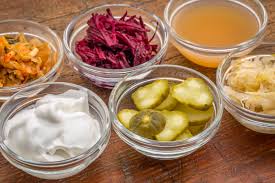
Fermented foods represent one of humanity's oldest food preservation methods, dating back thousands of years across diverse cultures worldwide. Today, modern science validates what our ancestors intuitively understood: fermentation not only preserves food but enhances its nutritional value and provides significant health benefits. The fermentation process involves beneficial bacteria, yeasts, or molds converting sugars and starches into alcohol, acids, or gases, creating unique flavors while supporting digestive health. The human gut microbiome, containing trillions of beneficial bacteria, plays a crucial role in immune function, mental health, and nutrient absorption. Fermented foods provide probiotics, live beneficial bacteria that support and diversify the gut microbiome, leading to improved digestion and overall health. Research shows that regular consumption of fermented foods can reduce inflammation, boost immune function, and even influence mood and cognitive function through the gut-brain axis. Kimchi, Korea's signature fermented cabbage dish, contains lactobacilli bacteria that support digestive health while providing vitamins C and K, fiber, and antioxidants. The fermentation process increases the bioavailability of nutrients, making them easier for the body to absorb. Sauerkraut, fermented cabbage from European traditions, offers similar benefits with the added advantage of being rich in vitamin C, which helped prevent scurvy during long sea voyages. Yogurt and kefir, fermented dairy products, provide probiotics along with protein, calcium, and B vitamins. Traditional yogurt cultures like Lactobacillus bulgaricus and Streptococcus thermophilus have been shown to improve lactose tolerance and support immune function. Kefir contains an even more diverse range of beneficial bacteria and yeasts, making it particularly effective for gut health support. Miso, a fermented soybean paste central to Japanese cuisine, provides probiotics, protein, and umami flavor while potentially offering cardiovascular benefits. The fermentation process breaks down soy proteins, making them more digestible and creating beneficial compounds like isoflavones. Kombucha, fermented tea, has gained popularity as a refreshing probiotic beverage that may support liver detoxification and provide antioxidants from tea. However, quality varies significantly among commercial products, making homemade versions often preferable. Tempeh, fermented soybeans formed into cakes, provides complete protein, probiotics, and B vitamins while being more digestible than unfermented soy products. The fermentation process also reduces antinutrients found in raw soybeans. Incorporating fermented foods into daily meals doesn't require dramatic dietary changes. Starting with small portions allows the digestive system to adjust gradually, and variety ensures diverse beneficial bacteria strains. Traditional fermentation methods can be learned and practiced at home, providing control over ingredients and fermentation processes while connecting with ancestral food traditions.