Urban Wildlife: Nature Thriving in Cities
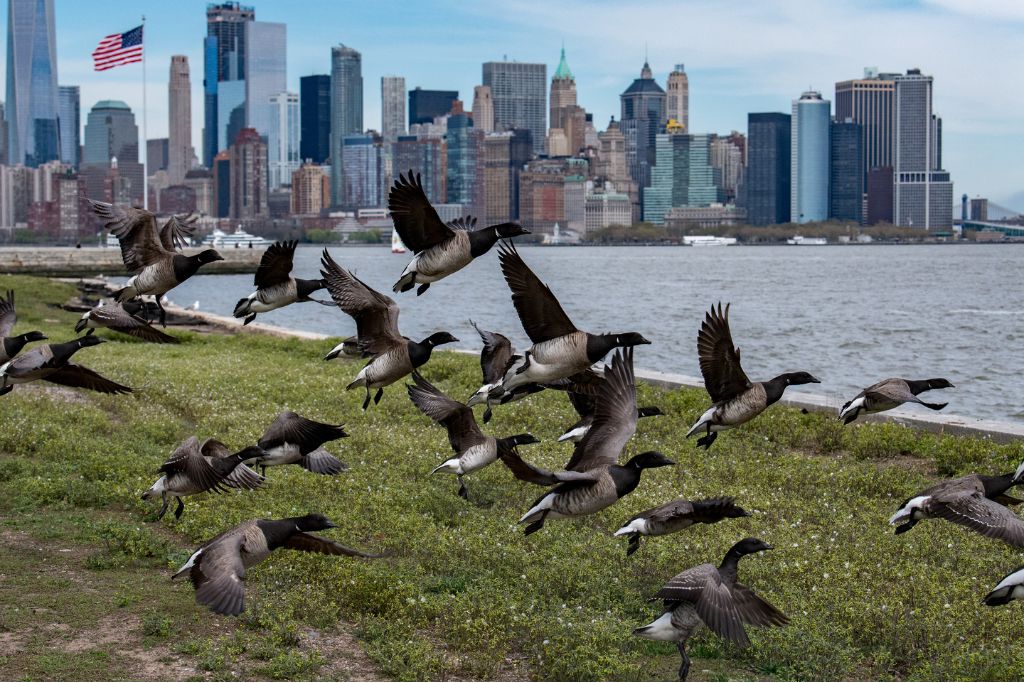
Urban wildlife represents one of nature's most remarkable adaptations, demonstrating the incredible resilience and flexibility of animal species in human-dominated environments. As cities expand globally, wildlife populations have learned to coexist with urban development, often thriving in unexpected ways within metropolitan areas. This phenomenon challenges traditional notions about the incompatibility of urban development and biodiversity, revealing complex ecological relationships in our concrete jungles. Cities provide unique habitats that many species have successfully colonized, from skyscrapers that serve as nesting sites for peregrine falcons to storm drains that become homes for various small mammals. Urban parks, green roofs, and even abandoned lots create micro-ecosystems that support diverse plant and animal communities. These green spaces serve as crucial wildlife corridors, allowing species to move through urban landscapes and maintain genetic diversity. The abundance of food sources in cities, including both intentional feeding by humans and abundant waste, has allowed many species to establish stable urban populations. Bird species like pigeons, sparrows, and crows have become so well-adapted to city life that urban populations often differ behaviorally and sometimes physically from their rural counterparts. Urban birds have been observed altering their song patterns to communicate over city noise, demonstrating remarkable behavioral plasticity. Mammals such as raccoons, foxes, and even coyotes have learned to navigate urban environments, often becoming more active during nighttime hours to avoid human activity. These adaptations showcase the incredible intelligence and flexibility of wildlife species. However, urban wildlife faces unique challenges including vehicle strikes, building collisions, pollution exposure, and habitat fragmentation. Light pollution disrupts natural behaviors in many species, particularly affecting nocturnal animals and migratory birds. Chemical pollutants from urban runoff and air quality issues can impact wildlife health and reproduction. Despite these challenges, cities often support higher biodiversity than surrounding agricultural areas, which tend to be more heavily modified and chemically treated. Urban wildlife provides numerous benefits to city dwellers, including pest control services, pollination, and psychological well-being through nature connection. Studies show that exposure to urban wildlife and green spaces improves mental health, reduces stress, and enhances quality of life for urban residents. Conservation efforts in urban areas focus on creating wildlife-friendly infrastructure, establishing green corridors, and educating residents about coexistence strategies. Cities worldwide are implementing innovative solutions like wildlife overpasses, bird-friendly building designs, and native plant landscaping to support urban biodiversity while maintaining urban functionality.