Ocean Conservation: Protecting Marine Ecosystems for Future Generations
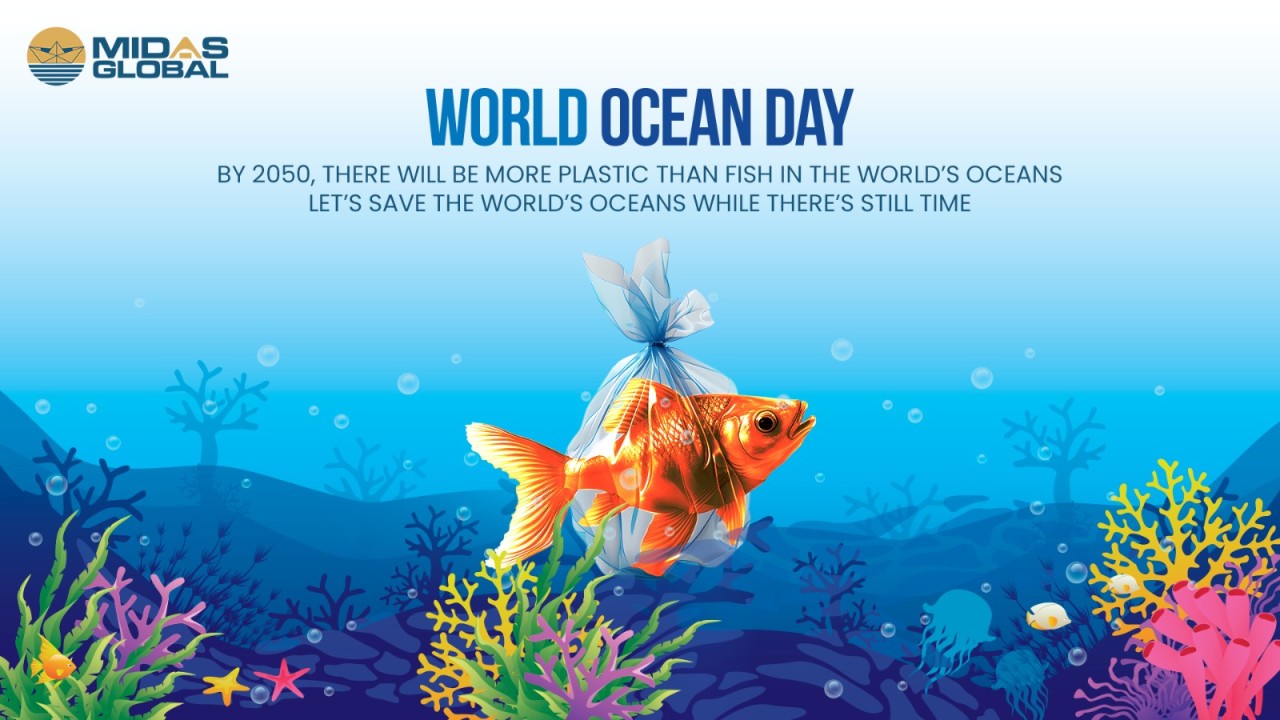
Ocean conservation has become one of the most critical environmental challenges of our time, as marine ecosystems face unprecedented threats from human activities including pollution, overfishing, climate change, and habitat destruction. The ocean covers over 70% of Earth's surface and contains 99% of the planet's living space, supporting incredible biodiversity while providing essential services including climate regulation, oxygen production, and food security for billions of people. Understanding the complexity of marine ecosystems and the interconnected nature of ocean health with global environmental stability underscores the urgent need for comprehensive conservation efforts. Plastic pollution represents one of the most visible and pervasive threats to marine life, with an estimated 8 million tons of plastic entering the ocean annually. This pollution forms massive garbage patches, breaks down into microplastics that enter the food chain, and directly harms marine animals through entanglement and ingestion. Sea turtles mistake plastic bags for jellyfish, seabirds feed plastic fragments to their chicks, and microplastics are found in organisms from plankton to whales. Addressing plastic pollution requires systemic changes including improved waste management, plastic alternatives development, and international cooperation on marine debris reduction. Overfishing has depleted fish populations worldwide, with many commercially important species experiencing population declines of 90% or more from historical levels. Industrial fishing practices often result in significant bycatch, accidentally capturing and killing non-target species including dolphins, sea turtles, and seabirds. Sustainable fishing practices, marine protected areas, and aquaculture development offer solutions that can maintain fish populations while supporting fishing communities and food security. Climate change impacts oceans through rising temperatures, ocean acidification, and sea level rise. Warming waters cause coral bleaching events that destroy reef ecosystems supporting 25% of marine species. Ocean acidification, caused by increased CO2 absorption, makes it difficult for shell-forming organisms like corals, mollusks, and some plankton to build and maintain their structures. These changes cascade through entire marine food webs, affecting everything from microscopic organisms to large marine mammals. Coastal development and pollution from land-based sources contribute significantly to marine ecosystem degradation. Nutrient runoff from agriculture creates dead zones where oxygen levels become too low to support marine life. Chemical pollutants, including pesticides, heavy metals, and pharmaceuticals, accumulate in marine organisms and can have toxic effects throughout the food chain. Coastal wetlands, mangroves, and seagrass beds that serve as crucial nursery habitats are being destroyed for development, reducing biodiversity and removing natural coastal protection. Marine protected areas (MPAs) represent one of the most effective tools for ocean conservation, providing refuges where marine life can recover and thrive. Well-designed and enforced MPAs can restore fish populations, protect critical habitats, and maintain ecosystem functions. The goal of protecting 30% of the ocean by 2030 requires significant expansion of MPA networks while ensuring they're effectively managed and enforced. Individual actions can contribute meaningfully to ocean conservation through conscious consumption choices, plastic reduction, and support for sustainable seafood options.