The Mediterranean Diet: A Path to Longevity
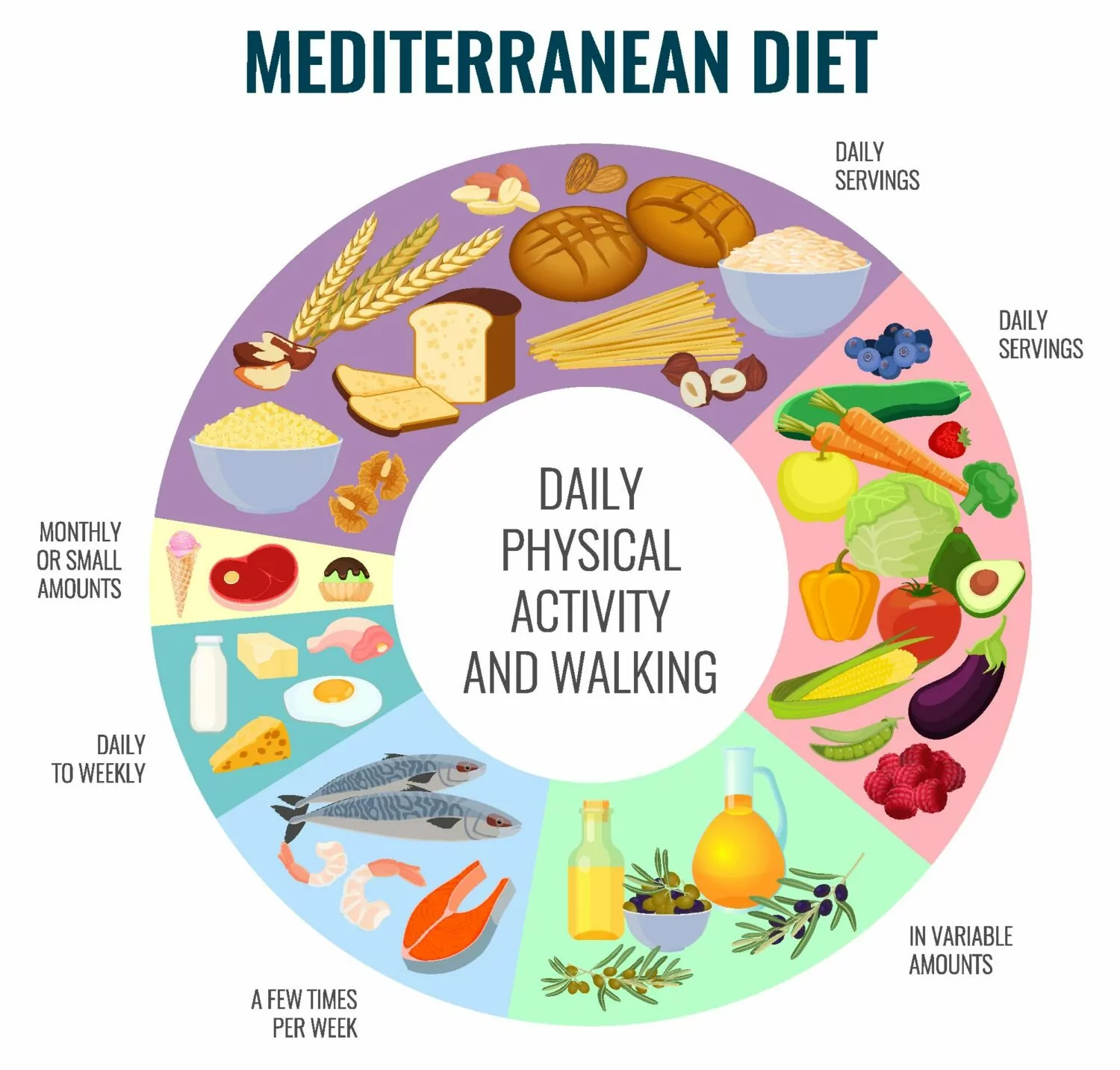
The Mediterranean diet has captured global attention as one of the most scientifically backed eating patterns for promoting longevity and overall health. Originating from the traditional dietary patterns of countries bordering the Mediterranean Sea, this lifestyle approach emphasizes whole foods, healthy fats, and moderate consumption of various food groups. At its core, the Mediterranean diet prioritizes olive oil as the primary source of dietary fat, abundant consumption of fruits and vegetables, whole grains, legumes, nuts, and seeds. Fish and seafood are consumed regularly, while poultry and eggs are eaten in moderate amounts. Red meat consumption is limited, and dairy products, particularly cheese and yogurt, are consumed in moderate quantities. Perhaps most famously, the diet includes moderate consumption of red wine, typically with meals. Scientific research has consistently demonstrated the remarkable health benefits of this dietary pattern. Studies show that adherence to the Mediterranean diet can reduce the risk of heart disease by up to 30%, lower the incidence of certain cancers, and decrease the likelihood of developing type 2 diabetes. The diet's anti-inflammatory properties contribute to better brain health, potentially reducing the risk of cognitive decline and Alzheimer's disease. The high content of antioxidants from colorful fruits and vegetables, combined with healthy monounsaturated fats from olive oil and nuts, creates a powerful combination for cellular protection. The fiber-rich foods promote healthy digestion and gut microbiome diversity, which is increasingly recognized as crucial for overall health. Beyond individual nutrients, the Mediterranean diet represents a holistic approach to eating that emphasizes meal enjoyment, social connections, and mindful consumption. Traditional Mediterranean cultures view meals as social events, eaten slowly and savored with family and friends. This approach to eating naturally promotes better digestion and satisfaction. The diet's flexibility makes it sustainable for long-term adherence, unlike restrictive fad diets. It encourages the consumption of locally sourced, seasonal ingredients, supporting both personal health and environmental sustainability. Implementation of the Mediterranean diet doesn't require dramatic changes but rather gradual shifts toward more plant-based meals, increased fish consumption, and the replacement of butter with olive oil. The emphasis on whole, minimally processed foods naturally reduces the intake of harmful additives and excessive sodium while increasing nutrient density.