Artificial Intelligence in Creative Industries
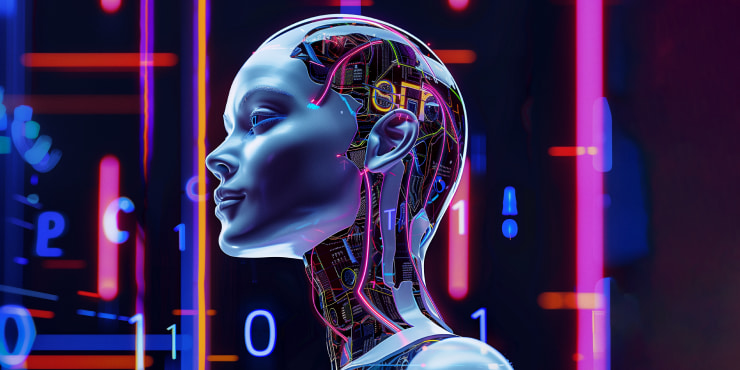
Artificial Intelligence is revolutionizing creative industries in ways previously thought impossible, challenging traditional notions of creativity while opening new possibilities for artistic expression and content creation. From music composition and visual art generation to writing assistance and film production, AI tools are becoming collaborative partners rather than replacements for human creativity. The integration of AI in creative workflows represents a paradigm shift that enhances human capabilities while raising important questions about authorship, originality, and the nature of creativity itself. Music production has been transformed through AI-powered composition tools that can generate melodies, harmonies, and even complete songs in various styles and genres. These systems analyze vast databases of existing music to understand patterns, structures, and stylistic elements, then create original compositions that maintain coherence while introducing novel elements. Musicians are using AI as a creative catalyst, generating ideas that they can develop, modify, and personalize. Some artists collaborate with AI systems to create hybrid works that blend human emotion and intuition with AI's pattern recognition and generation capabilities. Visual arts have embraced AI through generative adversarial networks (GANs) and diffusion models that create stunning images, paintings, and digital art pieces. Artists can input text descriptions and receive unique visual interpretations, use AI to explore different artistic styles, or generate variations on existing concepts. This technology democratizes art creation, allowing individuals without traditional artistic training to express their ideas visually. However, it also raises questions about the value of human skill and the definition of artistic authorship. Writing and content creation benefit from AI assistants that help with research, structure, grammar, and style suggestions. These tools don't replace human writers but enhance their productivity and capabilities, helping overcome writer's block and suggesting alternative approaches to storytelling. Journalists use AI for data analysis and initial draft generation, while novelists experiment with AI-generated plot ideas and character development suggestions. The technology excels at handling routine tasks, freeing creative professionals to focus on higher-level conceptual work. Film and video production incorporate AI for various aspects including script analysis, casting decisions, editing suggestions, and even generating synthetic actors for specific scenes. AI can analyze audience preferences to predict successful plot elements, optimize marketing strategies, and even generate realistic backgrounds and special effects. The technology streamlines post-production processes, reducing costs and time requirements while maintaining high quality standards. Gaming industry applications include procedural content generation, where AI creates vast game worlds, generates character behaviors, and adapts gameplay experiences to individual players. This technology enables smaller development teams to create expansive, dynamic gaming experiences that would traditionally require much larger resources. AI-driven non-player characters can engage in more realistic and varied interactions with players. However, the integration of AI in creative industries also presents challenges including copyright concerns, questions about fair compensation for training data creators, and the potential displacement of certain creative jobs.